
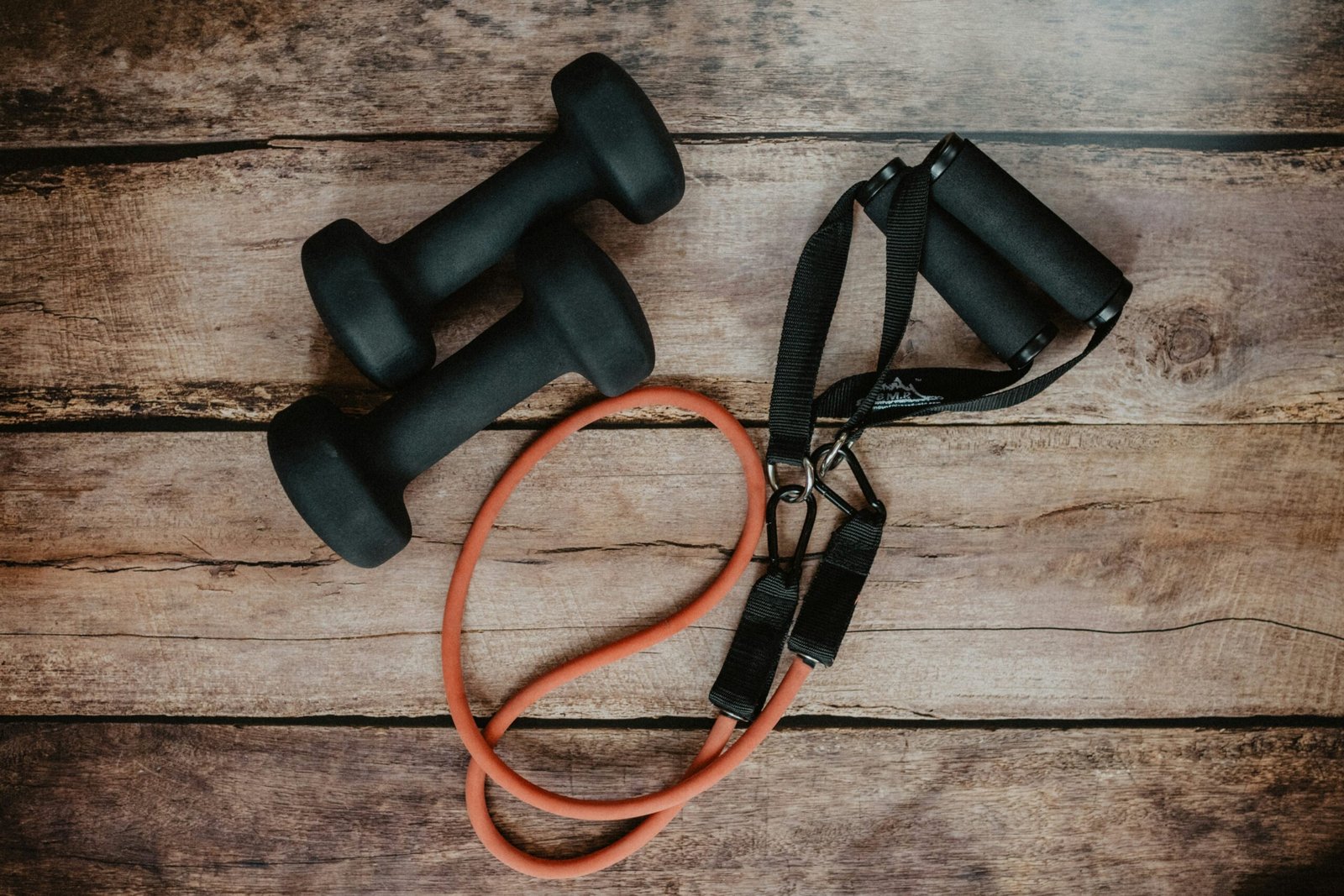
I’ll never forget the moment I caught my reflection in a store window and didn’t recognise myself. Not because I looked different, but because I looked tired. Drained. Like someone who had slowly given up on taking care of themselves.
That was my quiet rock bottom. No dramatic breakdown. No emergency. Just a realisation that I’d been putting everything and everyone ahead of my own body. My back hurts from sitting all day. The stairs left me breathless. And I avoided photos because I didn’t like what I saw.
Maybe you’re in that place right now. Or maybe you’ve been starting and stopping for years, whispering “this time will be different” every Monday morning.
Here’s what I wish someone had told me: fitness isn’t punishment. It’s not about becoming a magazine cover or living off chicken and broccoli. It’s about feeling strong enough to live fully. It’s about energy, confidence, better sleep, and feeling capable in your own skin.
So let’s talk about fitness the way real people experience it—messy, imperfect, and completely worth it.
Your fitness journey doesn’t have to look perfect for it to matter.
We’ve all done the New Year’s cycle. New gym clothes. New plan. New motivation. And then… life happens. You miss a day. Then another. The guilt creeps in. And by the end of the month, the plan is gone.
This isn’t a weakness. It’s the result of treating fitness like a sprint instead of a lifelong practice.
The All-or-Nothing Trap
For years, I believed I had to work out six days a week or it didn’t count. Eat perfectly or the day was ruined. One slice of pizza? Start over next Monday.
This mindset destroys progress.
Here’s the truth:
- Three workouts a week beats zero.
- A 10-minute walk beats sitting on the couch.
- Imperfect beats perfect intentions every single time.
Starting From Wherever You Are
You don’t need to be fit to start getting fit. You can begin exactly where you are.

Your First Week: Just Move
Forget programs for now. In week one, your only job is movement.
Try things like:
- A 10-minute walk
- Five push-ups against the counter
- Standing and stretching every hour
- One song, dance break
- Playing with your dog
- Cleaning with some energy
Movement doesn’t have to look like exercise. It just has to get your heart beating a little faster.
I started with a walk to the mailbox. It felt embarrassingly small—but it was more than I’d done the week before, and that mattered.
Building the Workout Habit (Without Hating It)
You don’t have to love working out. You just have to do it long enough for it to become part of your routine.
Finding Your Thing
Hate running? Don’t run.
Avoid gyms? Work out at home.
Anxious in classes? Try solo workouts first.
The best exercise is the one you’ll actually stick with.
I tried running for months because it was “the best cardio.” I hated every minute. Then I discovered hiking and accidentally did two-hour workouts because I loved the environment.
Your “thing” might be:
- Dance
- Swimming
- Weight lifting
- Yoga
- Cycling
- Pilates
- Martial arts
- Walking with podcasts
Try everything. One of them will click.
The 10-Minute Rule
Here’s a secret: start with just 10 minutes.
Tell yourself: “I only have to move for 10 minutes.”
Most of the time, you’ll continue once you start. But even if you stop at 10 minutes? You still showed up.
Strength training is a foundation that supports every part of your fitness journey: Why Every Body Needs It
I avoided strength training for years because I thought it was for bodybuilders. I was wrong.

Strength training is for everyone—especially as we age.
What Strength Training Actually Does
- Makes daily life easier
- Protects your joints and bones
- Boosts metabolism
- Builds confidence
- Prevents injuries
- Improves posture
How to Start Strength Training
No gym? No problem.
Begin with:
- Push-ups (on knees or wall)
- Squats
- Lunges
- Planks
Start where you are. If you can only do 10 seconds, that’s perfectly fine. You’ll get stronger.
2–3 sessions a week for 20 minutes is enough to create real change.
Cardio: Getting Your Heart Pumping
Cardio improves heart health, burns calories, and elevates mood.
But it doesn’t have to be torture.
Cardio You Might Actually Enjoy
- Fast walking
- Cycling
- Swimming
- Dancing
- Hiking
- Jumping rope
- Rowing
Aim for 150 minutes of moderate activity per week, broken up however fits your life.
Moderate = you can talk, but you can’t sing.
Flexibility & Mobility: The Forgotten Foundations
We ignore stretching until we suddenly can’t tie our shoes without groaning.

Why It Matters
- Reduces pain
- Improves posture
- Makes you more mobile
- Prevents injuries
- Helps with recovery
Simple Stretch Routine (10 Minutes)
Hold each for 30 seconds:
- Hamstrings
- Hip flexors
- Chest
- Shoulders
- Lower back
Add yoga once or twice a week if you want to go deeper.
Nutrition: Eating for Energy
I’m not here to tell you what exact diet to follow. But here are the basics that almost everyone benefits from.
Nutrition That Actually Works
- Protein at every meal
- Vegetables often
- Mostly water, fewer liquid calories
- Eat slowly
- No banned foods
Food is fuel—not punishment. And you can absolutely have pizza.
The Truth About Weight Loss
Weight loss is simple in theory but complicated in practice.
What Actually Helps
- Weigh in weekly, not daily
- Focus on how you feel
- Track progress photos
- Be patient (real change takes months)
Your body will change in its own time. Keep going.
Rest & Recovery: Your Secret Weapon
Your muscles grow during rest—not during the workout itself.
Your Body Needs Time to Recover
- Take 1–2 full rest days per week
- Move gently on rest days
- Listen to your body
Sleep: The Ultimate Fitness Hack
Sleep 7–9 hours.
Everything gets easier when you’re rested.
Mental Health & Fitness: The Real Connection
Movement is medicine.
A good workout can:
- Reduce stress
- Boost mood
- Improve sleep
- Increase focus
- Lower anxiety
Some days, I work out purely for my mental health. And that counts.
Working Out When Life Gets in the Way
You will miss workouts. And that is okay.
What matters is returning when you’re able.
Not perfection—persistence.
Finding Your Support System
Fitness is easier with community.
Find your people:
- A workout buddy
- A group class
- A walking partner
- An online community
I joined a hiking group. It changed everything.
Measuring Progress Beyond the Scale
Progress looks like:
- Better sleep
- More energy
- Strength increases
- Clothes fitting differently
- Improved mood
- Faster recovery
- Feeling confident
These matter more than a number.
When It Gets Hard (Because It Will)
Plateaus happen. Motivation fades. Life gets chaotic.
How to Push Through
- Change your routine
- Add variety
- Increase intensity
- Improve sleep
- Adjust nutrition
The Motivation Myth
Motivation is temporary.
Discipline is built over time through action.
Celebrating Wins (Every Single One)
Write them down. Acknowledge them. Honour them.
Small wins fuel momentum.
Your Fitness Journey Is Yours Alone
Stop comparing yourself to others.
You’re not running their race.
Only compare to who you were yesterday.
Starting Today
Feeling overwhelmed?
Do one thing today:
- Walk 10 minutes
- Stretch a little
- Drink more water
- Sleep earlier
Tomorrow, do one more.
Small steps repeated consistently change your life.
No matter your pace, your fitness journey is unique and deserves patience and consistency
Your stronger, healthier self isn’t waiting for “someday.”
They’re waiting for today.
You’ve got this. And I’m cheering for you every step of the way.
This was the moment I realised my fitness journey needed to truly begin.